Dodge Charger LX vs LD: which parts interchange (2006–2023)
The 2006–2010 LX Charger and the 2011–2023 LD look alike underneath, but many parts don't swap. Here's what interchanges and what to check first.
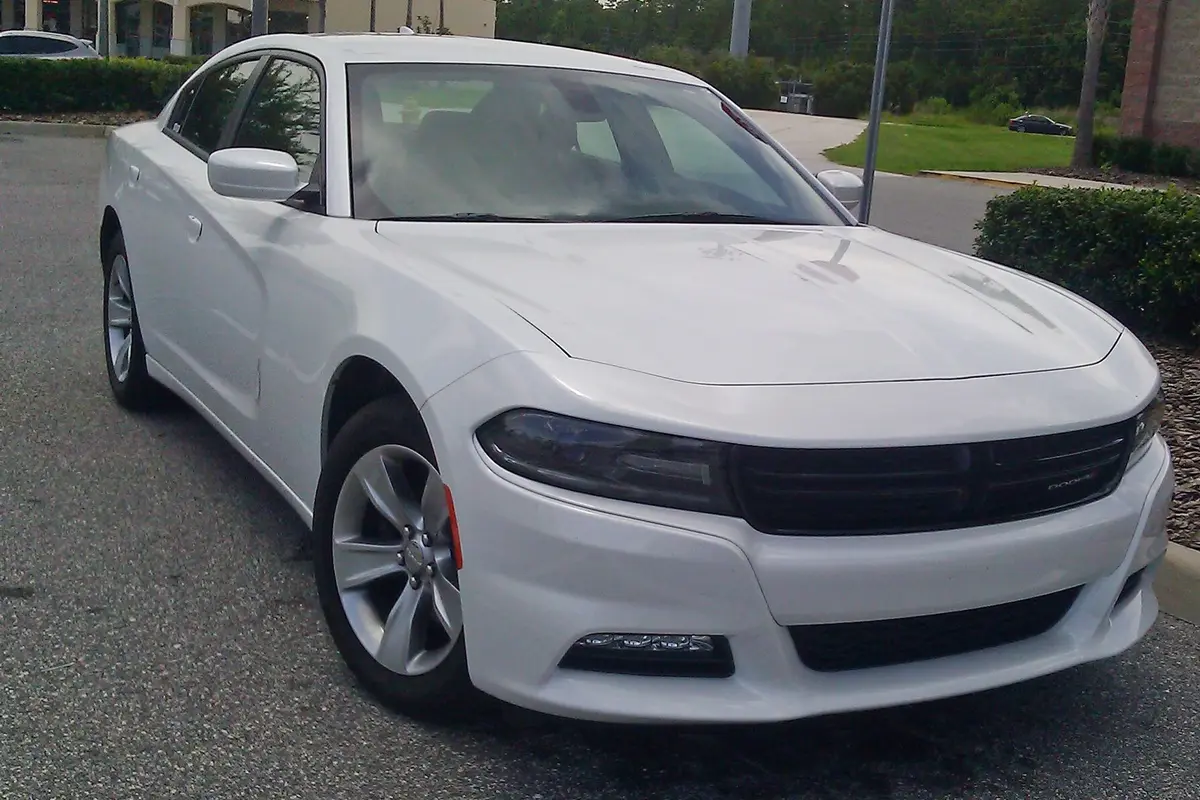
The modern Dodge Charger has lived on one basic architecture since 2006, which is why owners and sellers often say “it’s all LX.” That’s only half true. Chrysler’s internal codes split the car into the LX generation (2006–2010) and the LD generation (2011–2023), and the LD itself got a major refresh for 2015. Knowing which one you have saves a lot of returned parts.
The three Chargers you’ll see in a parts catalog
| Years | Platform code | What changed |
|---|---|---|
| 2006–2010 | LX | Original sedan. 5-speed automatic (NAG1) behind V6 and HEMI engines. Hydraulic power steering. |
| 2011–2014 | LD | New body panels, interior and lighting. 3.6 Pentastar replaced the old V6s. 8-speed arrived on V6 cars in 2012–2013. |
| 2015–2023 | LD (refresh) | New nose, tail and interior. 8-speed automatic across the line, electric power steering on many trims, Hellcat models added. |
The VIN tells us which one you have instantly: the 10th character is the model year. If you’ve never looked, our guide on finding the right part with your VIN shows where it is.
Parts that usually carry across
Some chassis and driveline hardware stayed remarkably consistent:
- Many rear suspension links and bushings. The multi-link rear layout carried from LX to LD, and several link part numbers are shared. Always confirm by number. AWD and RWD cars differ.
- HEMI internal engine parts. A 5.7 is a 5.7 for many gaskets, lifters and sensors, but the 2009-and-later “Eagle” 5.7 with variable cam timing uses different parts from the 2006–2008 engine. See our HEMI engines compared article.
- Wheel bolt pattern. All of these cars use 5×115 mm, so wheels physically bolt on. Brake caliper clearance and offset still matter.
Parts that almost never interchange
- Body panels and lighting. Fenders, hoods, fascias, headlamps and tail lamps changed in 2011 and again in 2015. A 2014 hood won’t line up on a 2016 car.
- Interior trim and switches. The dash, console and door panels were redesigned for 2011 and again for 2015. Seat switches and heated-seat switches often changed connectors too.
- Steering components. The move to electric power steering on many 2015-and-later trims means racks, columns and related modules are generation-specific.
- Transmission parts. The 5-speed and the 8-speed share nothing internally: filters, pans, cables and coolers are all different. Our TorqueFlite 8-speed service guide covers the later cars.
The gray areas: front suspension and brakes
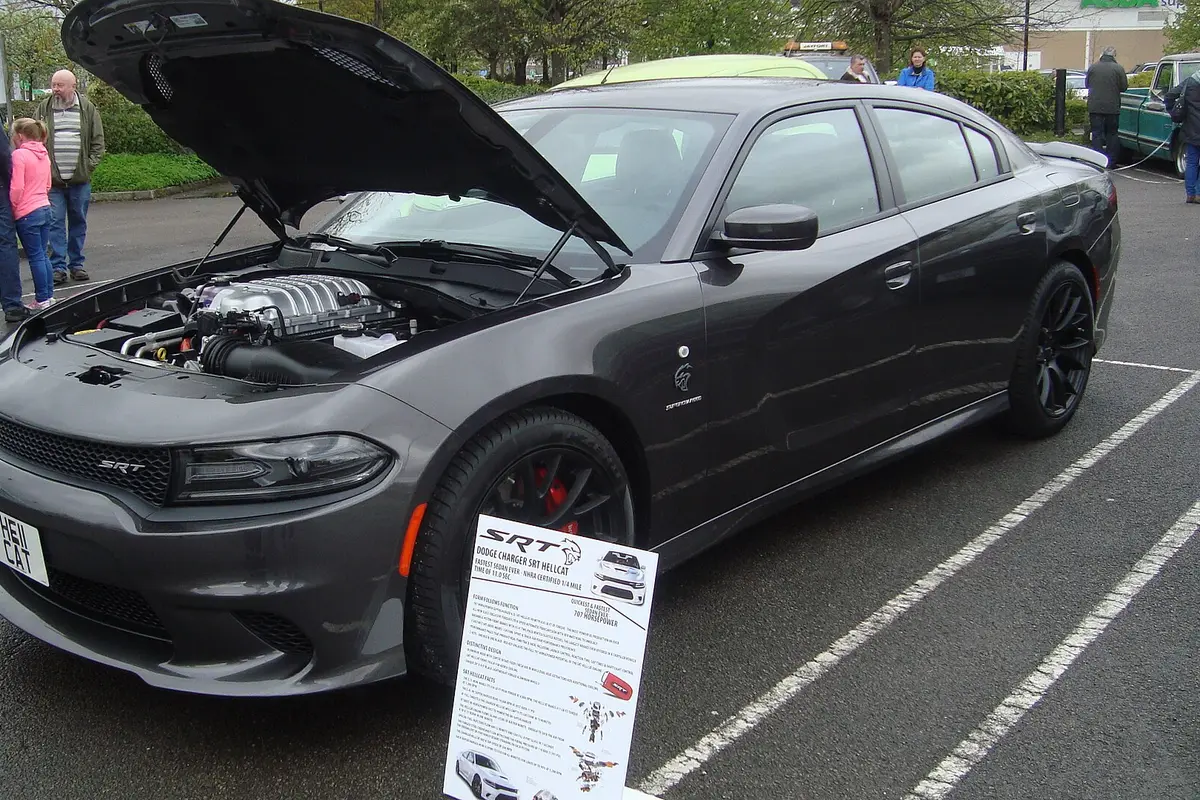
Front suspension is where most mistakes happen. The front end looks the same between generations, but tension struts (the forward lower links), control arms and knuckles vary by drive type (RWD vs AWD), brake package (base, Brembo four-piston, six-piston SRT) and model year. An AWD Charger’s front knuckles and half shafts are unique, and SRT knuckles are designed around bigger calipers.
If you are chasing a clunk over bumps, our front-end clunk guide explains which part usually fails first.
How to order without guessing
- Start from the part number on the old part or on a dealer invoice. If it has been superseded, our listings show the replacement. Here’s how Mopar part numbers work.
- Add your vehicle to My Garage so every listing shows a Fits, Check fitment or Doesn’t fit badge.
- Send us your VIN when a listing says Check fitment. We confirm the match against the build data before you order, free.
The Charger’s long production run is a gift for parts availability. Just treat “LX” as a family name, not a promise that every part swaps.