OEM Mopar vs aftermarket parts: when genuine is worth it
Genuine Mopar, OE-supplier and aftermarket parts compared honestly: where the factory part matters, where aftermarket is fine and how to tell them apart.
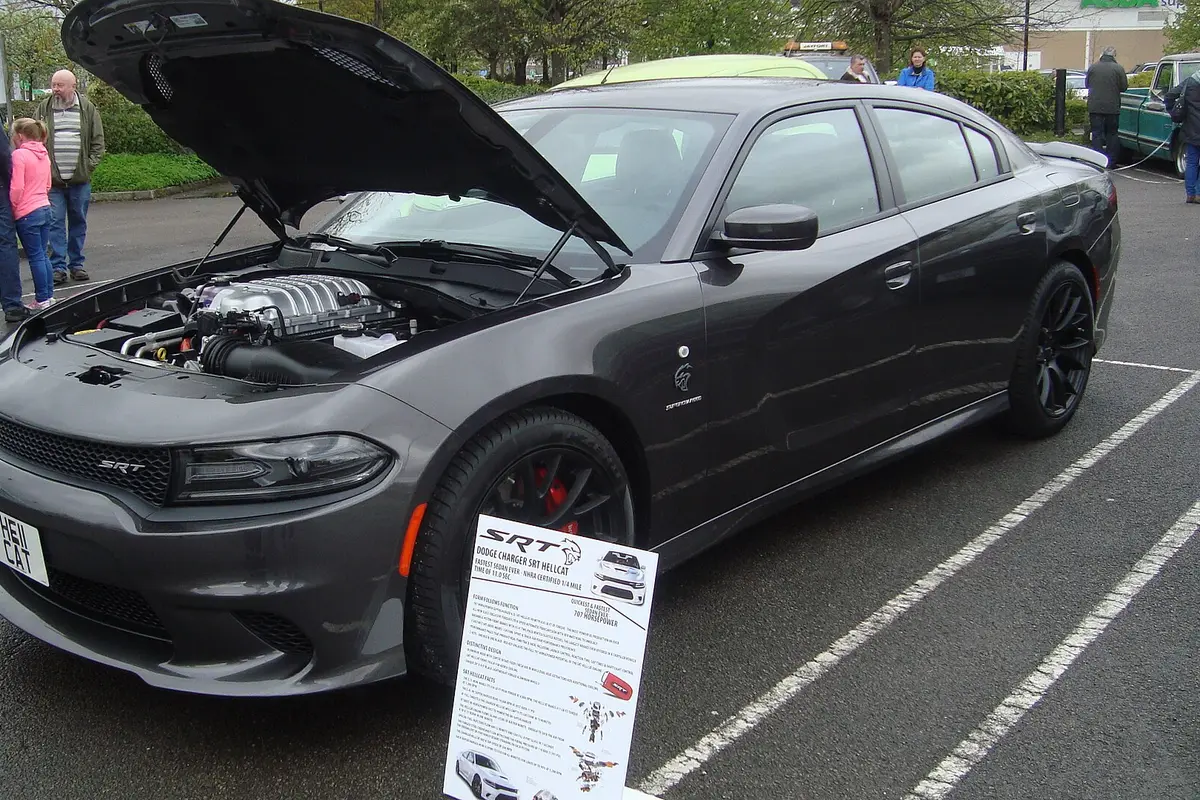
Every repair starts with the same question: genuine Mopar or aftermarket? The honest answer is “it depends on the part.” Here’s how we think about it at the parts desk.
Three kinds of parts
| Type | What it is | Typical pros | Typical cons |
|---|---|---|---|
| Genuine Mopar (OEM) | Sold under a Mopar part number, made to the vehicle manufacturer’s specification | Exact fit, matches factory design and engineering updates, carries a Mopar number you can verify | Usually the highest price |
| OE supplier | Made by a company that supplies the factory, sold in its own box | Often the same or similar part | Not always identical. Packaging and specs can differ. |
| Aftermarket | Designed by a third party to fit | Lower cost, wide choice, sometimes improved designs | Quality varies widely. Fit and durability differ by brand. |
Where genuine usually pays off
- Sensors and electronics. Engine, transmission and ABS sensors are calibrated to the vehicle’s software. An off-spec sensor can cause drivability problems and codes that are hard to trace.
- Modules and anything that needs programming, such as TIPMs and body control modules.
- Transmission internals, filters and fluids. The 8-speed and RFE transmissions are sensitive to fluid and filter specs. See the 8-speed guide.
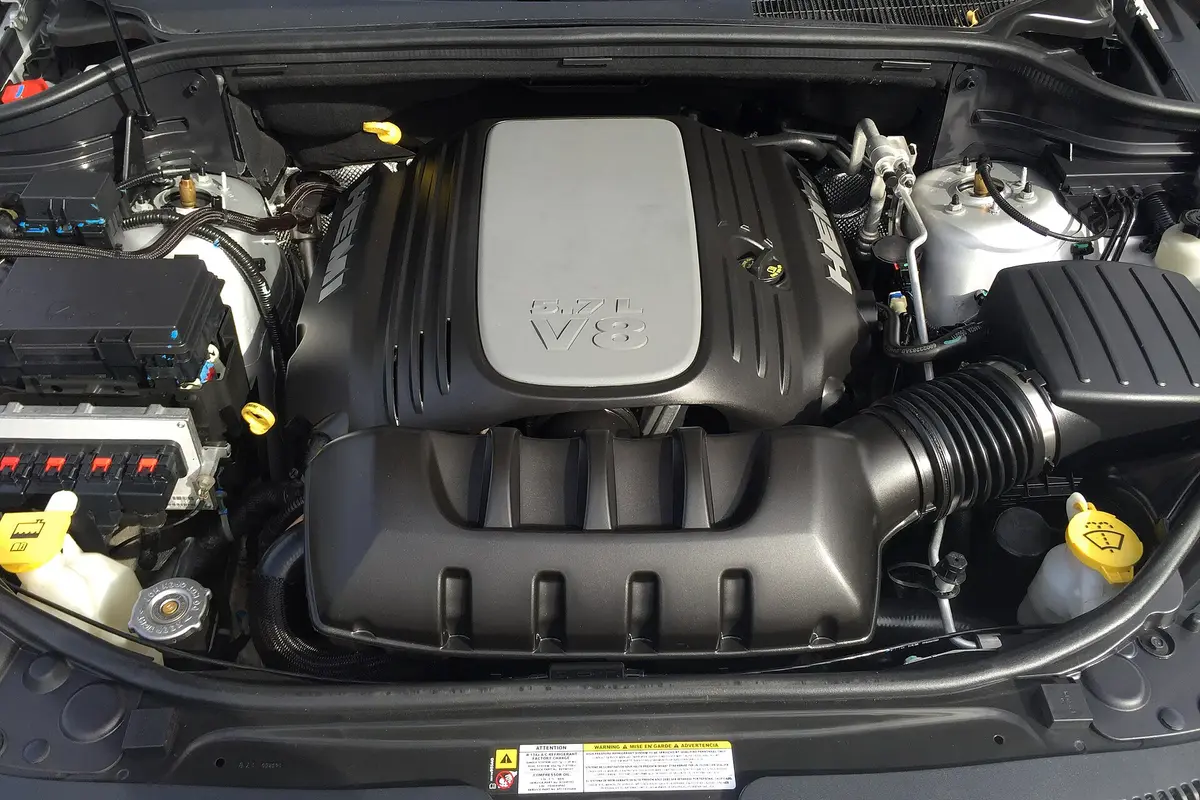
- Gaskets and seals on known problem areas, like the Pentastar oil filter housing or HEMI intake gaskets, where revised factory designs fix the original failure.
- Body panels, where fit and gaps matter for appearance and resale.
- Safety systems: airbags, seat belts and steering components.
Where aftermarket can make sense
- Wear items with established standards, such as brake pads and rotors from reputable brands, wiper blades, filters and bulbs.
- Performance upgrades that the factory doesn’t offer.
- Older vehicles where a genuine part has been discontinued.
The key word is reputable. A well-known aftermarket brand is often a better buy than an unbranded “OEM-style” part from an unknown seller.
How we list parts
At Pure Mopar, every listing shows the manufacturer part number separately from our store SKU, along with the numbers it replaces. That lets you verify exactly what you’re getting. Our guide on reading Mopar part numbers explains how to check a number and its supersessions.
Watch out for fakes
Counterfeit parts that copy genuine packaging exist, especially for high-demand items like filters, ignition coils and sensors. Learn the warning signs in our guide to spotting counterfeit parts.
Our advice
Use genuine parts where precision, software or safety are involved. Choose quality aftermarket where standards are well established and the price difference is meaningful. When in doubt, send us your VIN and the job you’re doing, and we’ll recommend the right part for the repair.