Clicking when turning: CV axle and half-shaft diagnosis
A clicking noise in tight turns usually means a worn outer CV joint. How to inspect CV boots, diagnose half shafts and pick the right replacement axle.
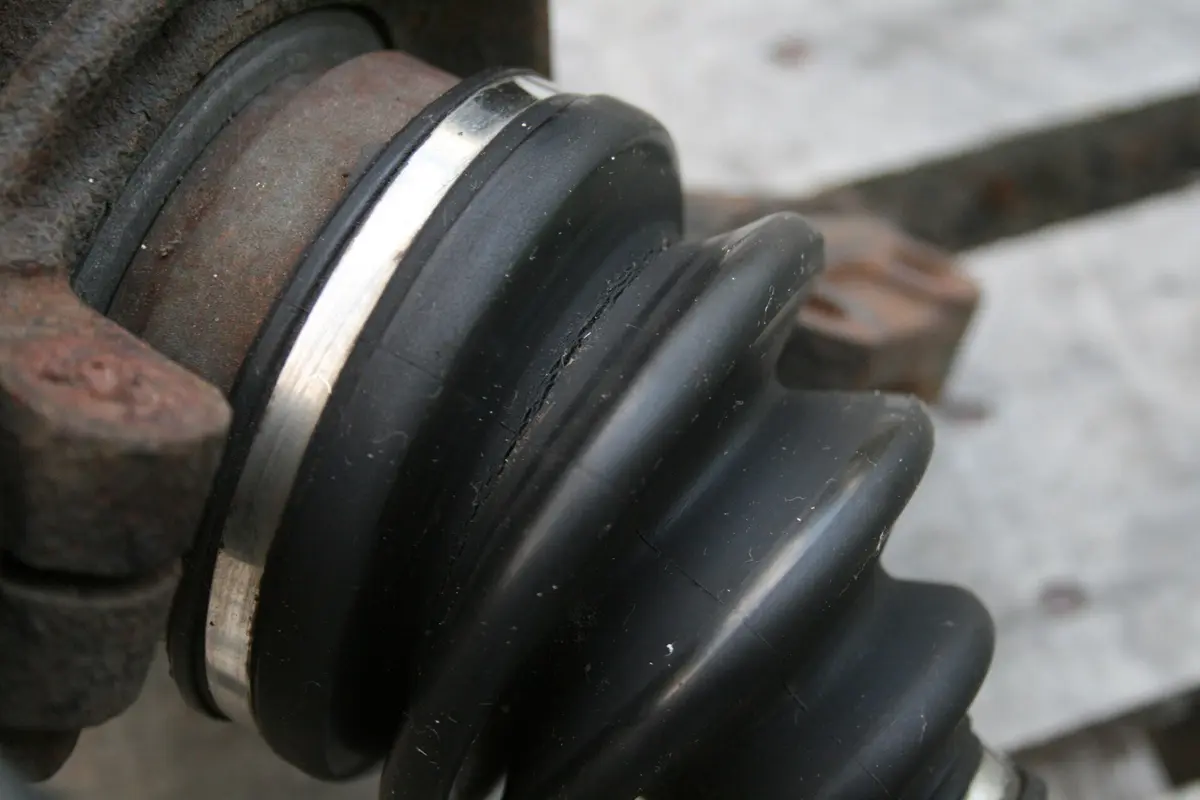
Front-wheel-drive and all-wheel-drive vehicles send power to the wheels through half shafts, often called CV axles. Each shaft has two constant-velocity (CV) joints that let it turn and flex with the suspension. When a CV joint wears, it tells you, usually with a click.
Which vehicles have CV axles?
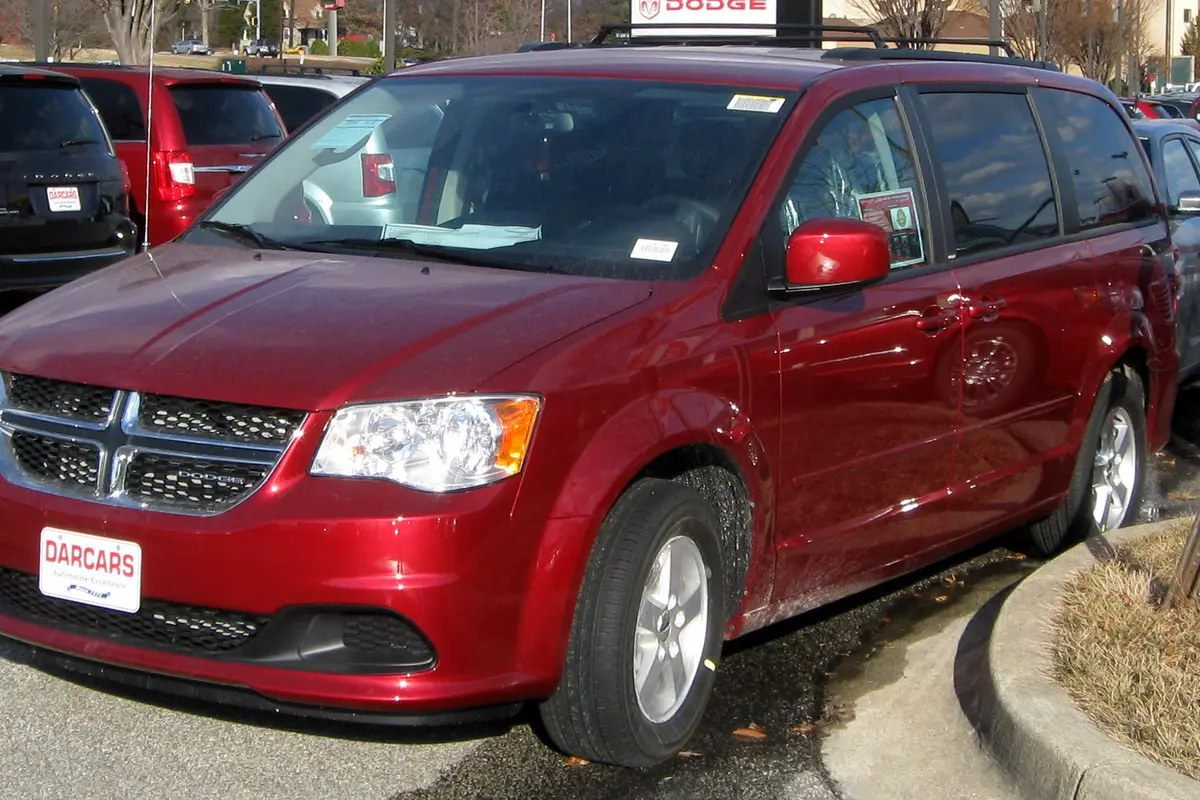
- Front-drive: Grand Caravan, Journey, Dart, Avenger, Caliber and Chrysler 200 and Town & Country
- AWD cars: Charger, Challenger GT, Chrysler 300 and Magnum AWD (front half shafts)
- 4x4 trucks and SUVs with independent front suspension: Ram 1500, Durango, Dakota and Nitro 4x4
- Rear axles with independent rear suspension, like the LX/LD/LC cars and the Durango, also use rear half shafts
Symptoms by joint
| Symptom | Likely cause |
|---|---|
| Clicking or popping in tight turns under power | Worn outer CV joint |
| Clunk when accelerating or letting off the throttle | Worn inner CV joint (or a worn engine/transmission mount) |
| Vibration that increases with acceleration | Worn inner joint or a bent shaft |
| Grease sprayed around the wheel, suspension or underbody | Torn CV boot (the joint is next) |
Check the boots first
The CV joint is packed with grease and sealed by a rubber boot. Once a boot tears, grease escapes and dirt and water get in. The joint then wears quickly. Inspect boots at every oil change: look for cracks, splits, missing clamps and grease spray. Catching a torn boot early sometimes allows a boot-only repair. Once the joint clicks, replace the shaft.
The parking-lot test
In an empty lot, turn the steering wheel fully to one side and drive slowly in a circle, accelerating gently. Repeat in the other direction. A rhythmic click that follows wheel speed points to the outer CV joint on the outside wheel of the turn.
Replacing a half shaft
Most owners and shops replace the complete shaft assembly rather than rebuilding joints. Key points:
- Shafts are side-specific on many vehicles. Left and right often differ in length, and some have an intermediate shaft.
- Transmission and drive type change the inner joint spline count.
- Use a new axle nut if specified, torqued to spec with the vehicle on the ground or the brake applied.
- Check the transmission or differential seal when the shaft is out, and replace it if it’s leaking.
- Inspect related parts: wheel bearings, ball joints, tie-rod ends.
Our axle shaft listings show the exact Mopar part number and which side and drive type each one fits.
When it isn’t the CV axle
A clunk on throttle changes can also come from a worn engine or transmission mount, or worn suspension bushings. A hum at speed is more likely a wheel bearing. On Charger and Challenger AWD cars, front-end knocks are often tension struts or sway links.
Send your VIN through the free fitment check and we’ll confirm which shaft fits your vehicle.