Buying a used Charger or Challenger: a pre-purchase inspection checklist
What to check before buying a used Dodge Charger or Challenger, from the VIN and build sheet to HEMI noises, suspension clunks and modified cars.
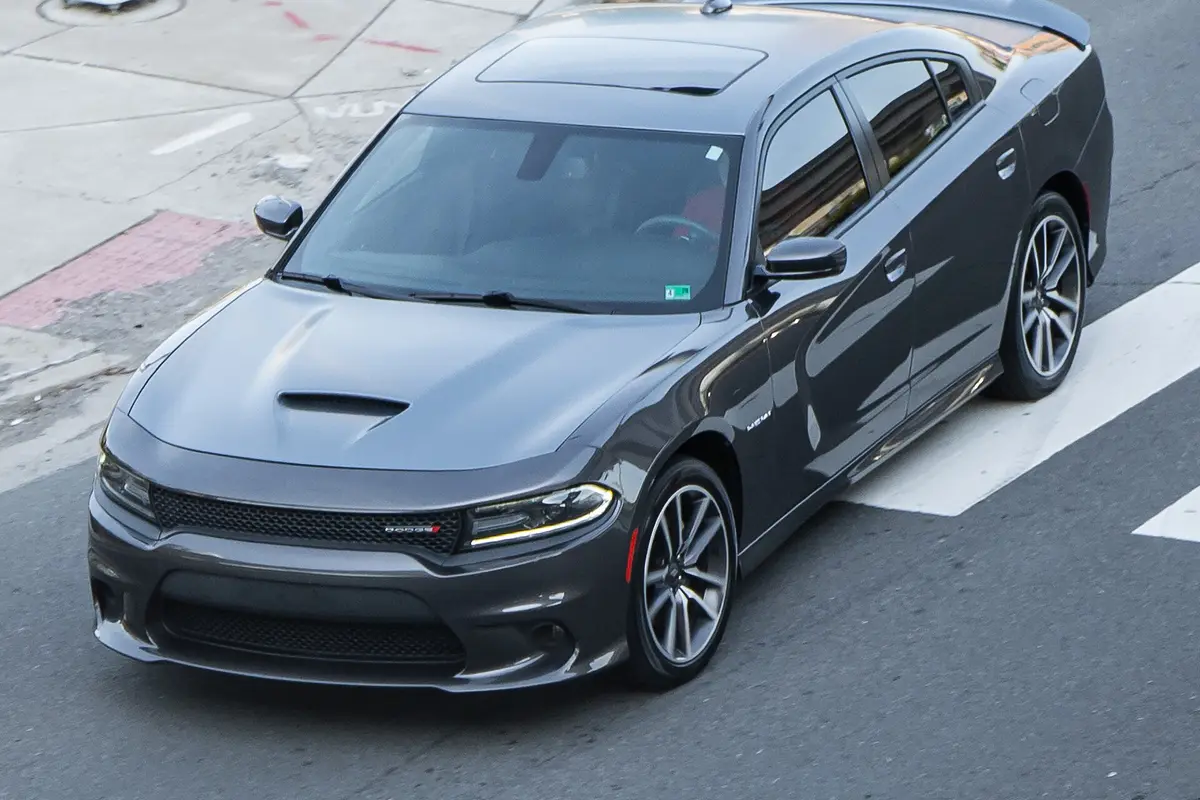
Used Chargers and Challengers are everywhere, from V6 commuters to 800-horsepower supercharged cars. Many are well cared for. Some have lived hard lives. This checklist covers what we’d look at before buying one.
1. Paperwork and identity
- Decode the VIN. Confirm the model year, engine and trim match the ad. Badges are easy to swap; VINs aren’t. Our VIN guide explains what the digits mean.
- Get the build sheet if you can. For SRT, Scat Pack and Hellcat models, it confirms factory options.
- Check open recalls at nhtsa.gov/recalls.
- Ask for service records: oil changes, transmission service, brake fluid.
2. Body and paint
- Panel gaps, overspray and mismatched paint can point to previous repairs.
- Check front and rear fascias for cracks. They’re expensive and package-specific. See our body panel guide.
- On Widebody cars, inspect the fender flares and their mounting.
3. Engine
Start the engine cold. Listen for:
- A tick that’s loud cold and fades warm, which suggests exhaust manifold bolts
- A steady tick that rises with RPM, a possible lifter or cam problem. Walk away or price in a repair. See HEMI tick.
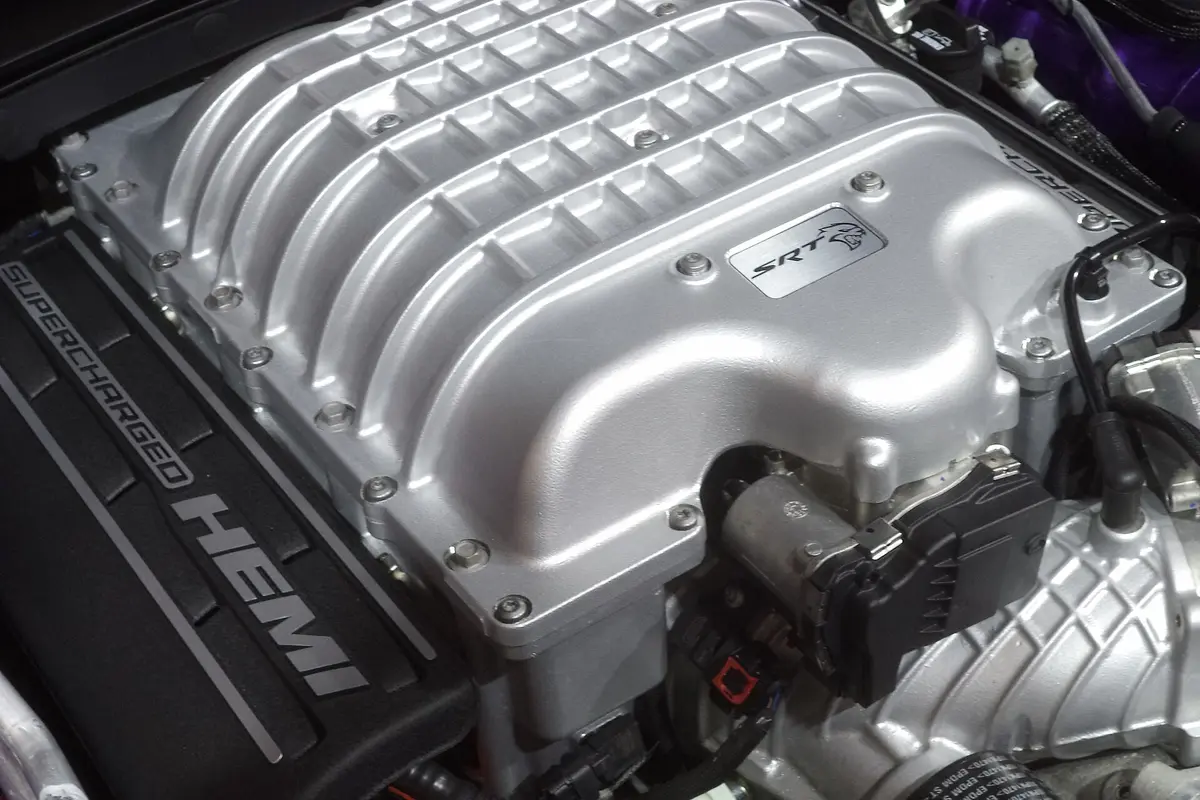
- On supercharged cars, unusual whine or belt chirp
Check for oil leaks, especially at the back of Pentastar V6 engines (the oil filter housing), and coolant level and condition.
4. Transmission
- Shifts should be smooth and prompt. A harsh 1–2 shift or shudder deserves a closer look.
- On manuals, check clutch engagement height and listen for grinding.
- Ask whether the transmission has ever been serviced. See the 8-speed service guide.
5. Suspension, steering and brakes
- Drive over bumps and driveway lips, listening for clunks. Tension struts and sway links are common wear items. See the front-end clunk guide.
- A hum that rises with speed suggests a wheel bearing.
- Check tire wear: inner-edge wear can mean alignment problems or worn bushings.
- Brakes should feel firm. Big Brembo rotors are expensive, so check them for grooves and lip.
6. Interior and electronics
- Test every switch, the infotainment screen, the climate control, the heated and cooled seats and all windows.
- Look for wear on the steering wheel and driver’s seat bolster that doesn’t match the mileage.
7. Modified cars
Modifications aren’t bad by themselves, but ask:
- Is the car tuned? Ask for the tune details and whether the stock calibration is available.
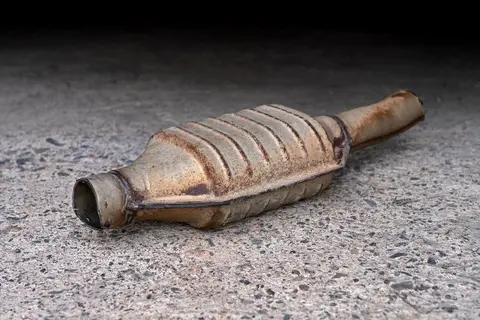
- Are emissions parts present? Missing catalytic converters can make a car impossible to register in many states.
- Who did the work? Receipts from known shops are a good sign.
8. Get a professional inspection
A pre-purchase inspection by an independent shop costs far less than a hidden problem. If you buy the car and need parts, add it to My Garage and every listing on our site will show whether it fits.