HEMI tick: lifters, exhaust manifold bolts or normal noise?
Not every HEMI tick means a failed lifter. How to tell a broken exhaust manifold bolt, injector noise and a real valvetrain problem apart.
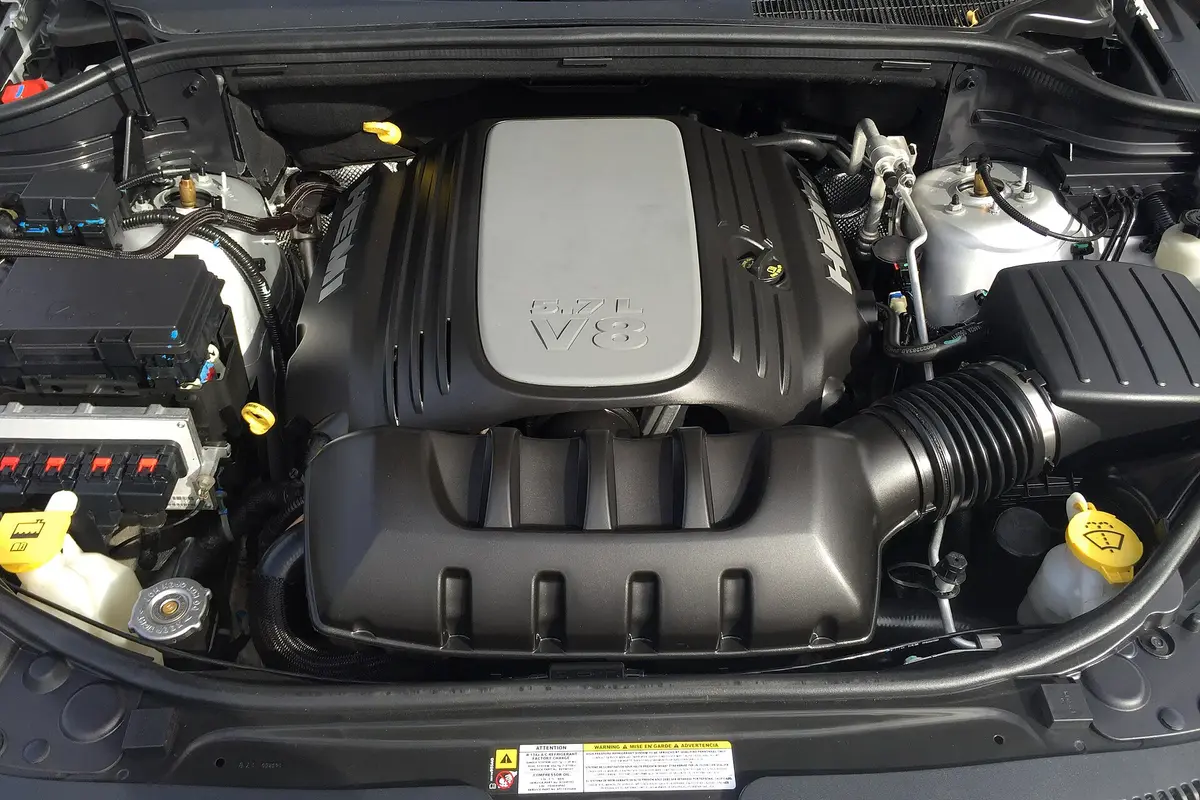
“HEMI tick” is one of the most searched phrases among Mopar owners, and one of the most misunderstood. Several very different problems make a ticking sound on a 5.7 HEMI. Some are harmless, some are annoying, and one can destroy a camshaft. Here’s how to narrow it down.
Normal noises first
A healthy HEMI is not silent:
- Fuel injectors make a light, fast, even ticking at idle. It’s sharpest with the hood open.
- The EVAP purge valve clicks at idle on many vehicles.
- A brief rattle at cold start that disappears in a second or two is often oil draining from the filter or lifters. A quality filter with a good anti-drain-back valve helps.
If the noise is light, even and doesn’t change over weeks, it’s probably normal. Record it on your phone so you can compare later.
Cause 1: broken exhaust manifold bolts
This is extremely common on Ram 1500, Durango and Grand Cherokee HEMIs, and it happens on cars too. The cast-iron manifolds expand and contract, and the rear bolts on one or both sides snap. The result is an exhaust leak that sounds like a tick:
- Loudest on a cold start, often quieter or gone once the manifold expands and seals.
- Louder under load, like accelerating uphill or towing.
- Sometimes a faint exhaust smell in the cab, or soot marks at the manifold flange.
The fix is to extract the broken bolts and install new bolts, a gasket, and often a new manifold if it’s warped. It’s labor-intensive but not serious.
Cause 2: lifter and camshaft failure
The more serious tick comes from the valvetrain. On many 5.7 engines, roller lifters (particularly those used with the cylinder-deactivation system, MDS) can fail. A lifter roller stops spinning, wears flat, and then damages the cam lobe. Signs:
- A tick that’s present hot and cold and rises steadily with engine speed
- Often on one side of the engine
- A misfire code for one cylinder (P0300–P0308) that doesn’t move when you swap coils
- Metallic glitter in the oil
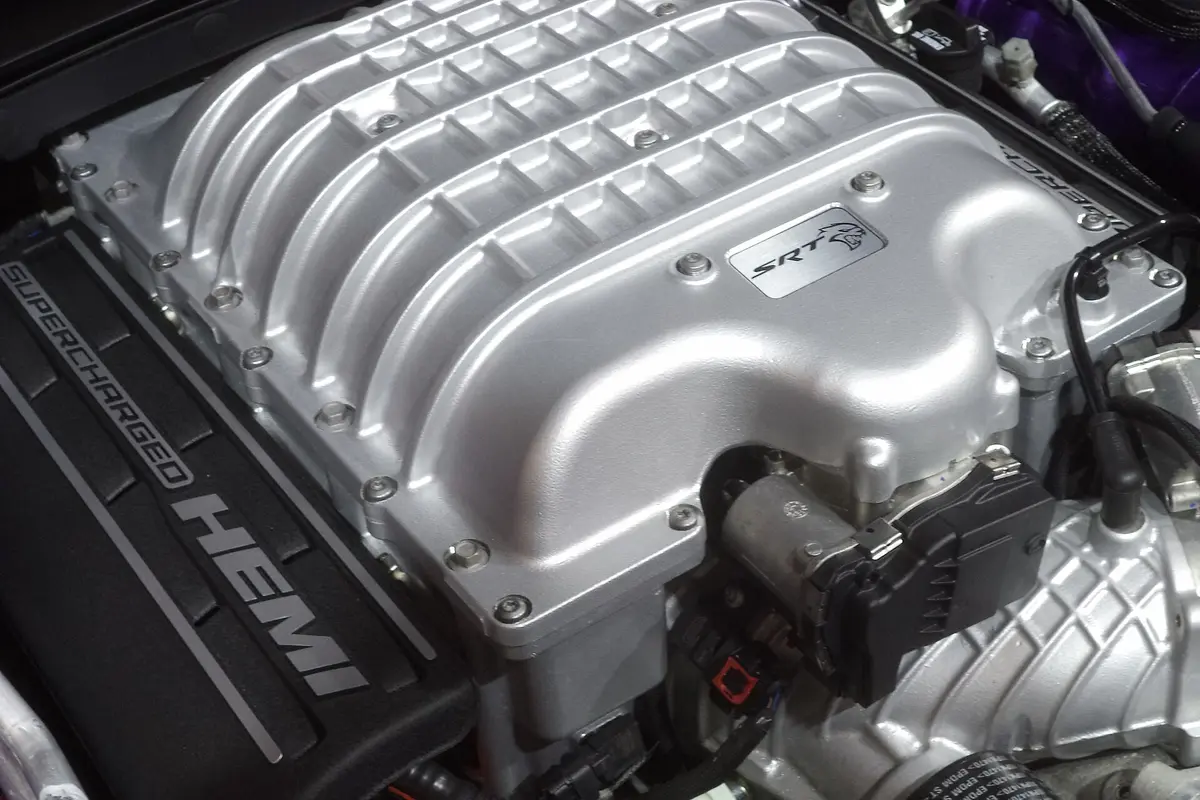
Diagnosis usually means checking for a misfire, a mechanic’s stethoscope, and sometimes removing a valve cover to inspect the rocker arms and pushrods. A flattened lobe often shows as reduced valve lift. Repairs usually include a camshaft, lifters, lifter trays, rocker arms and gaskets. Caught early, it’s a manageable job. Ignored, the metal debris can spread through the engine.
Cause 3: intake and vacuum leaks
A cracked PCV hose or a leaking intake manifold gasket can produce a ticking or hissing sound, usually with a lean code (P0171/P0174) and rough idle.
What helps prevent lifter failure?
There’s no guaranteed cure, but owners and technicians generally agree on a few habits:
- Use the specified oil grade and approval, and change it on time. See the HEMI oil change guide.
- Avoid long periods of idling, which is hard on the lifter rollers at low oil pressure.
- Address misfires promptly. A misfire can be the first sign of a worn lobe.
Quick decision table
| Symptom | Most likely cause |
|---|---|
| Tick loud when cold, fades when warm | Exhaust manifold bolts |
| Tick constant, rises with RPM, misfire on one cylinder | Lifter/camshaft |
| Light, even tick at idle only | Injectors / normal |
| Tick plus hiss and lean codes | Vacuum or intake leak |
If you’ve confirmed the diagnosis, send us your VIN and we’ll match the camshaft, lifters, gaskets and bolts to your engine.