HEMI oil change guide: oil type, capacity and intervals (5.7, 6.4, 6.2)
Which oil your HEMI needs, roughly how much it holds, how often to change it and the filter and drain-plug details that trip people up.
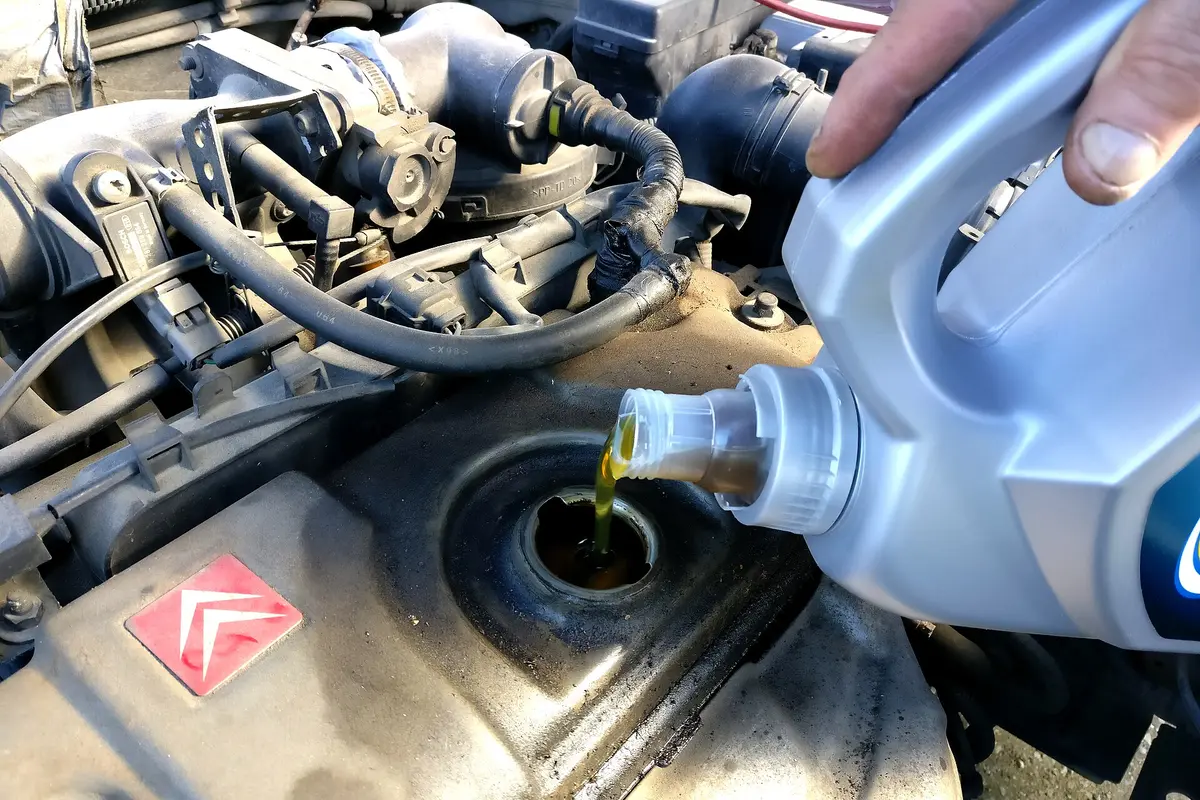
An oil change is the cheapest insurance a HEMI owner can buy. The modern HEMI family is durable, but its valvetrain and its variable cam timing depend on clean oil of the right grade. Here’s what we tell customers at the parts desk.
Which oil does my HEMI take?
Always confirm with your owner’s manual or the oil fill cap, because recommendations changed over the years. As a general guide:
| Engine | Common applications | Typical factory grade |
|---|---|---|
| 5.7 HEMI | Charger/Challenger R/T, 300C, Durango, Ram 1500 | SAE 5W-20 on most years. Some later trucks specify 0W-20. |
| 6.4 HEMI (392) | Scat Pack, SRT 392, Durango SRT, Ram HD | SAE 0W-40 (full synthetic) |
| 6.2 supercharged HEMI | Hellcat, Redeye, Trackhawk, TRX | SAE 0W-40 (full synthetic) |
Use oil that meets the Chrysler material standard printed in your manual (look for “MS-6395” for many 5W-20 and 0W-20 applications, or the SRT-specific approval for 0W-40). The approval matters more than the brand.
Don’t “upgrade” a 5.7 to thick oil. The variable cam timing (VVT) and, on many engines, the cylinder-deactivation (MDS) system are calibrated around the specified viscosity. Heavier oil can trigger cam-timing codes and slow MDS response.
How much oil?
Capacity varies by engine and vehicle, but most 5.7 and 6.4 HEMIs take about 7 quarts with a filter change. Hellcat-family engines are similar. Fill to just below the full mark, start the engine, let it circulate, shut it off, wait a few minutes and recheck.

How often?
Most late-model Dodge and Ram vehicles use an oil-life monitor that calculates the interval from how you drive. It typically calls for a change somewhere between 5,000 and 10,000 miles, and the manual sets a maximum of around 10,000 miles or one year. Change sooner if you:
- tow or haul often,
- do a lot of short trips in cold weather,
- run at the track or drive hard in hot climates,
- idle for long periods (police and fleet use).
Supercharged and track-driven cars deserve shorter intervals, and many owners change the oil after every track day.
The filter matters
Use a filter made for your engine. HEMI filters have the correct anti-drain-back valve and bypass setting for the oiling system. A cheap filter with a poor anti-drain-back valve can cause a brief rattle at cold start.
Common mistakes
- Over-tightening the drain plug. Snug plus a small turn. Replace the gasket if it’s crushed or damaged.
- Double-gasketing the filter. Make sure the old filter’s rubber seal came off with it.
- Ignoring the reset. Reset the oil-life monitor in the instrument cluster menu after the change.
- Ignoring a tick. Some HEMIs develop a ticking noise. It’s not always oil-related, but it shouldn’t be ignored. See HEMI tick: lifters, exhaust bolts or normal noise?
While you’re under there
Oil changes are a good moment to look at the drive belt, coolant level, CV boots and the brake hoses. If you’re getting ready for cold weather, add our winter prep checklist. And if your HEMI is due for plugs, read why your HEMI has 16 spark plugs.