Winter prep checklist for Dodge, Ram and Jeep owners
Battery, coolant, tires, wipers and the HEMI-specific details: a practical cold-weather checklist from the Pure Mopar parts desk.
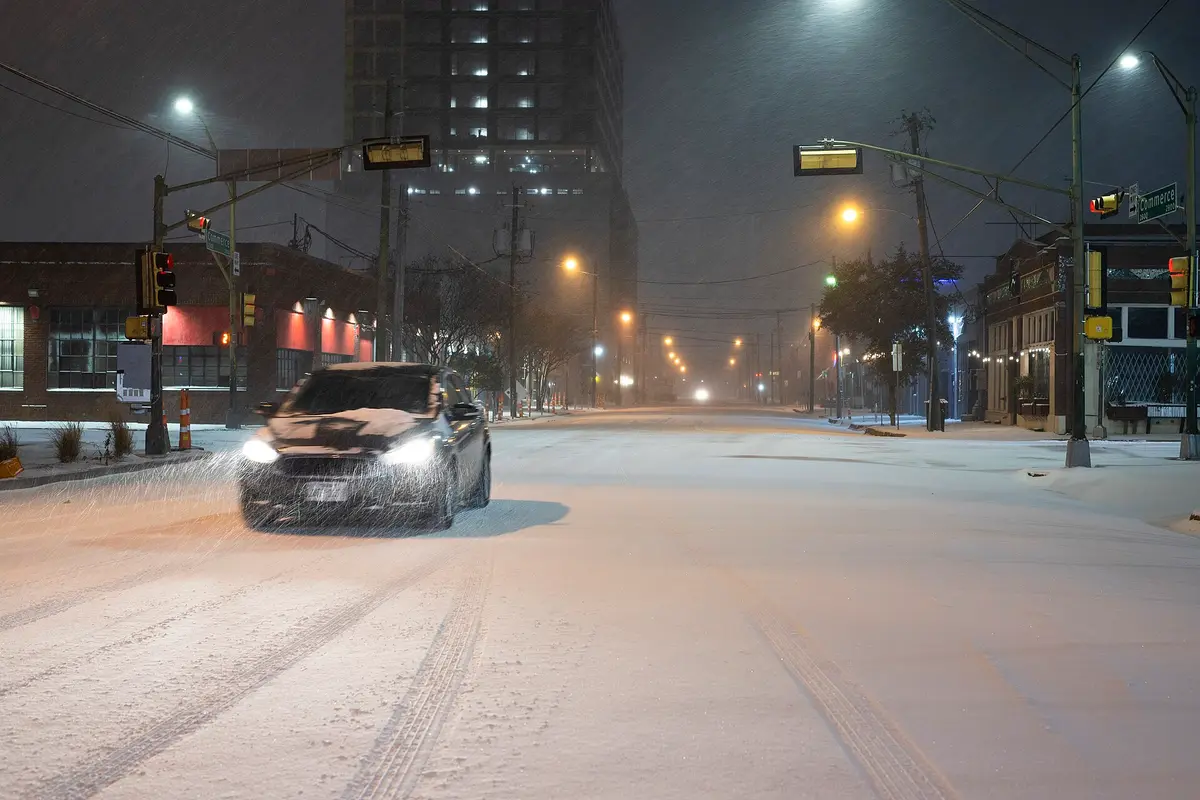
Cold weather finds every weak part on a vehicle at once: tired batteries, old coolant, cracked hoses and worn wipers. An hour of checks in the fall saves a tow in January.
1. Battery and charging system
Cold weather does two things to batteries. It reduces available capacity, and it makes engines harder to crank because oil is thicker. Most no-start calls in winter are battery-related.
- Get the battery load-tested if it’s more than three or four years old. A simple voltage check doesn’t tell the whole story.
- Clean the terminals and check the battery cables and ground straps for corrosion and swelling. Corroded cables cause slow cranks even with a good battery. See our charging system guide.
- Ram trucks with two batteries (common on Cummins diesels) need both batteries tested and ideally replaced as a pair.
2. Coolant protection
A 50/50 mix of the correct coolant protects to about −34 °F (−37 °C). Check freeze protection with a refractometer or test strips, and top up with the right type of coolant. Our coolant guide explains the types. Squeeze the radiator hoses: soft, swollen or cracked hoses fail in cold snaps.
3. Tires and pressure
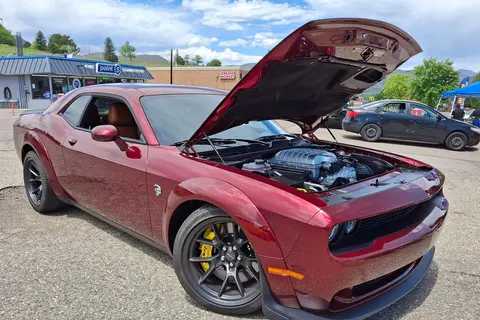
Tire pressure drops roughly 1 psi for every 10 °F temperature drop. Set pressures cold, to the door-jamb placard, and check again after the first freeze. Rear-drive Chargers and Challengers on summer performance tires are a poor match for snow and cold. Summer rubber hardens in near-freezing temperatures and loses grip even on dry roads. Dedicated winter tires transform these cars.
4. Visibility
- Replace wiper blades that streak or chatter.
- Fill the washer reservoir with winter washer fluid. Summer fluid freezes.
- Check headlights, tail lights and the rear defroster.
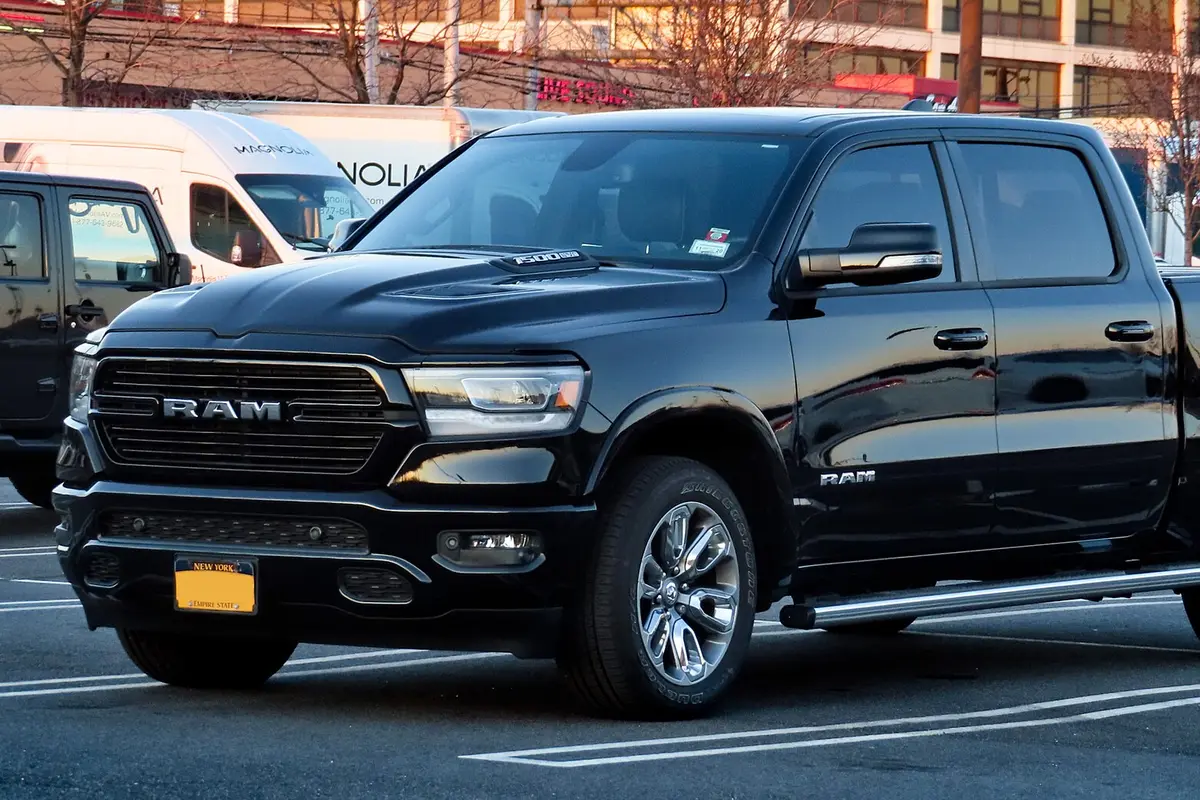
- On trucks, make sure mirror heaters work. A broken mirror glass or heater element is an easy fix before the snow.
5. Engine-specific notes
- Use the correct oil grade. Thicker-than-specified oil makes cold starts harder and can upset variable cam timing on HEMIs. See the HEMI oil guide.
- Diesel trucks: use winter-blend fuel, keep the tank above half to limit condensation, plug in the block heater when temperatures drop well below freezing, and change the fuel filter on schedule. More in our Cummins maintenance guide.
- 4x4 and AWD: confirm the transfer case engages correctly before you need it.
6. Brakes and underbody
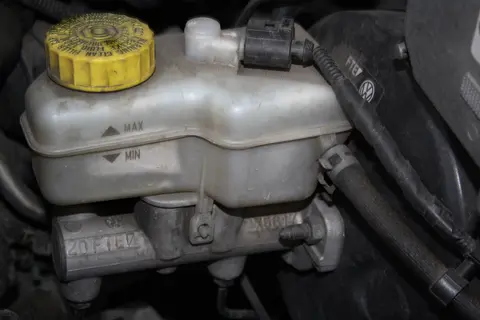
Road salt attacks brake lines, fuel lines and hardware. Before winter, inspect the brake lines for rust and wash the underside regularly through the season.
7. Emergency kit
Blanket, gloves, flashlight, phone charger, ice scraper, a small shovel, traction aids and jumper cables or a jump pack. Keep it in the vehicle all winter.
If anything on this list turns up a worn part, we can help match it by part number or VIN. Call or text the parts desk, or use the free fitment check.