Brake fluid: why it matters, DOT ratings and flush intervals
Brake fluid absorbs water and loses performance quietly. What DOT 3, DOT 4 and DOT 5.1 mean, how often to flush and how to bleed Mopar brakes.
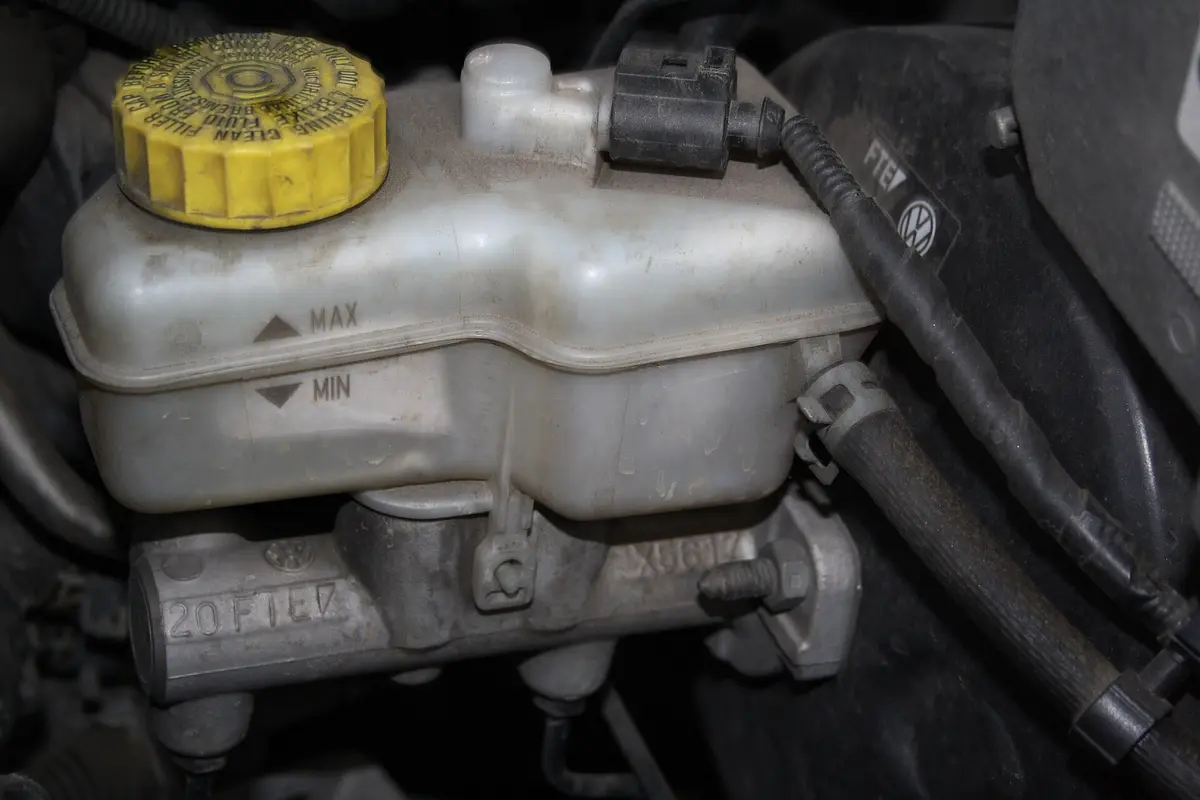
Brake fluid is one of the most overlooked fluids in any car, Mopars included. It doesn’t run low the way oil does, and it rarely leaks. It quietly absorbs moisture until the day the pedal goes soft on a long downhill or at the end of a hot lap.
Why brake fluid wears out
Glycol-based brake fluids (DOT 3, DOT 4 and DOT 5.1) are hygroscopic: they absorb water from the air through hoses and seals. Water lowers the fluid’s boiling point. When fluid boils in a hot caliper, it forms vapor bubbles, and vapor compresses. The result is a long, spongy pedal exactly when you need the brakes most.
Moisture also corrodes the inside of steel brake lines, calipers and the ABS hydraulic unit, which is one of the most expensive brake parts on the car.
DOT ratings in plain English
| Fluid | Base | Minimum dry boiling point | Notes |
|---|---|---|---|
| DOT 3 | Glycol | 401 °F (205 °C) | Specified for many Dodge, Chrysler and Ram vehicles |
| DOT 4 | Glycol | 446 °F (230 °C) | Higher boiling point. Often used for performance and track use. |
| DOT 5.1 | Glycol | 500 °F (260 °C) | Compatible with DOT 3/4 systems |
| DOT 5 | Silicone | 500 °F (260 °C) | Not compatible. Don’t put it in a system designed for glycol fluid. |
Use what your manual or reservoir cap specifies. Upgrading a DOT 3 system to a quality DOT 4 is generally acceptable and common for SRT owners who track their cars. Never use DOT 5 silicone in a glycol system.
How often to flush
Many manufacturers recommend replacing brake fluid every 2 to 3 years regardless of mileage. Check your vehicle’s schedule. For track use, flush or at least bleed the calipers before each event. Fluid that has turned dark amber or brown is overdue.
Bleeding Mopar brakes: the essentials
- Bleed in the order your service information specifies. Many vehicles go from the wheel farthest from the master cylinder to the closest.
- Never let the reservoir run dry, or you’ll pull air into the ABS unit.
- Use fresh fluid from a sealed bottle. An opened bottle on a shelf has already absorbed moisture.
- Check for ABS-specific procedures. If air reaches the ABS hydraulic unit, many vehicles need a scan-tool bleed that cycles the ABS valves.
- Torque the bleed screws gently. They snap easily on older calipers.
Inspect the hoses and lines too
While bleeding, look at the rubber brake hoses for cracks or bulging and the steel brake lines for rust, especially on trucks in salt states. We list front and rear hoses and lines by exact part number. Browse brake lines and hoses.
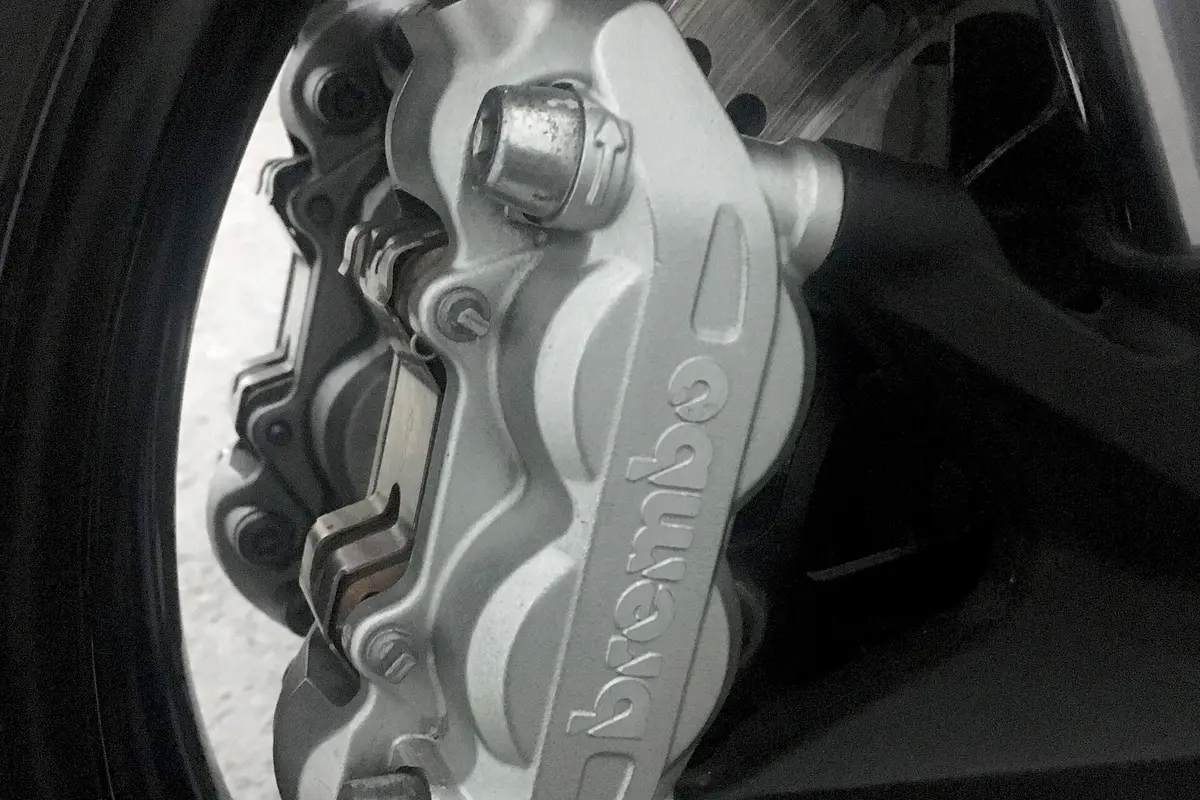
Planning an upgrade? Read our SRT Brembo upgrade guide. Hearing a hum that changes with speed? That’s more likely a wheel bearing than the brakes.