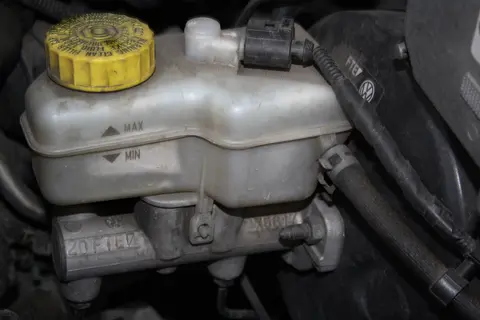
Mopar coolant explained: OAT vs HOAT and how to flush your system
Chrysler changed coolant chemistry over the years. Learn which type your Dodge or Ram uses, why mixing matters and how to do a proper flush.
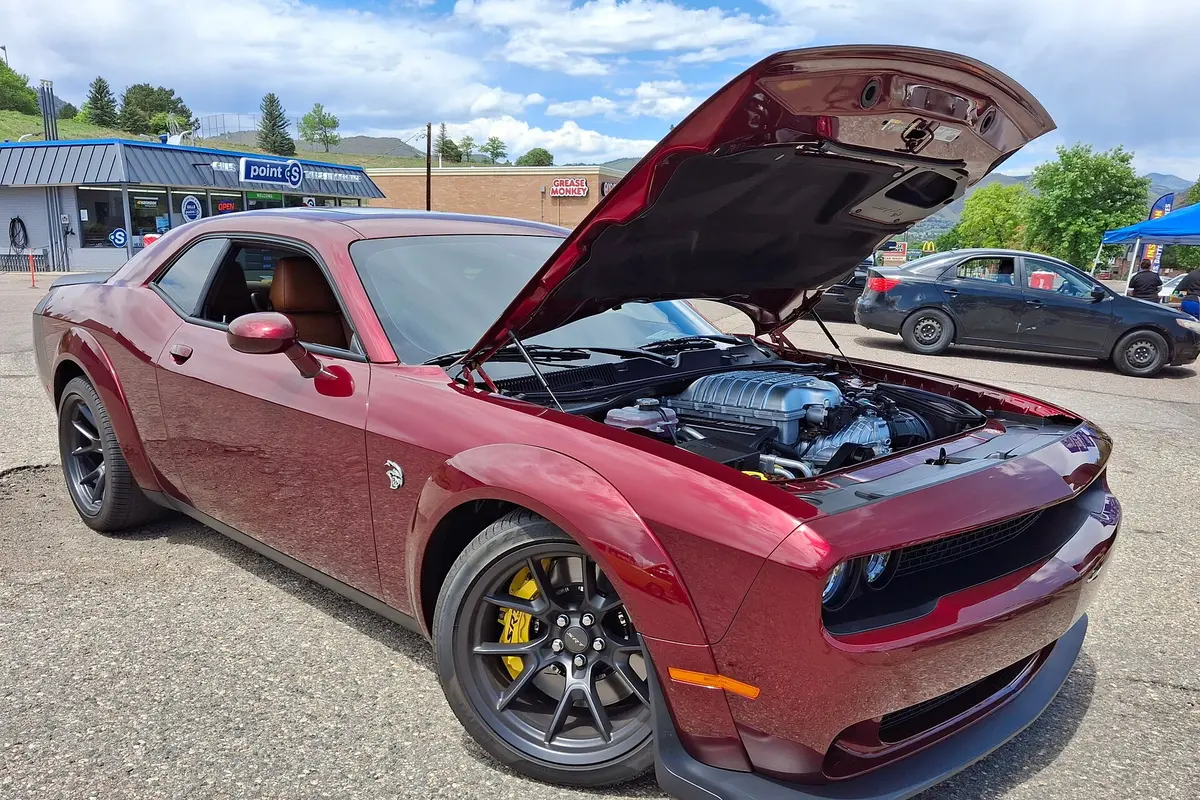
Coolant looks simple: pour it in, check the level, forget about it. But Chrysler has used several coolant chemistries over the decades, and putting the wrong one in, or mixing two, can shorten the life of your water pump, radiator and heater core.
The three families you’ll run into
| Era | Type | Typical colour | Notes |
|---|---|---|---|
| Older vehicles (pre-2000s) | Conventional green (IAT) | Green | Short service life, about 2–3 years |
| Roughly 2001–2012 | HOAT (hybrid organic acid) | Orange/yellow | Mopar 5-year/100,000-mile formula on many models |
| Roughly 2013 and later | OAT (organic acid) | Purple | Mopar 10-year/150,000-mile formula on most current vehicles |
The changeover year varies by model, so check the coolant reservoir cap, the label under the hood, or the owner’s manual. Colour is a hint, not a specification. Dyes differ between brands.
Why mixing types matters
Different chemistries protect metal in different ways. Mixing them doesn’t cause an instant failure, but it can:
- shorten the protection interval to that of the weakest coolant,
- in some combinations, form deposits that clog small radiator and heater core passages,
- leave the water pump seal less protected.
Topping up with a little of the wrong type in an emergency is fine. Just flush and refill with the correct coolant soon.
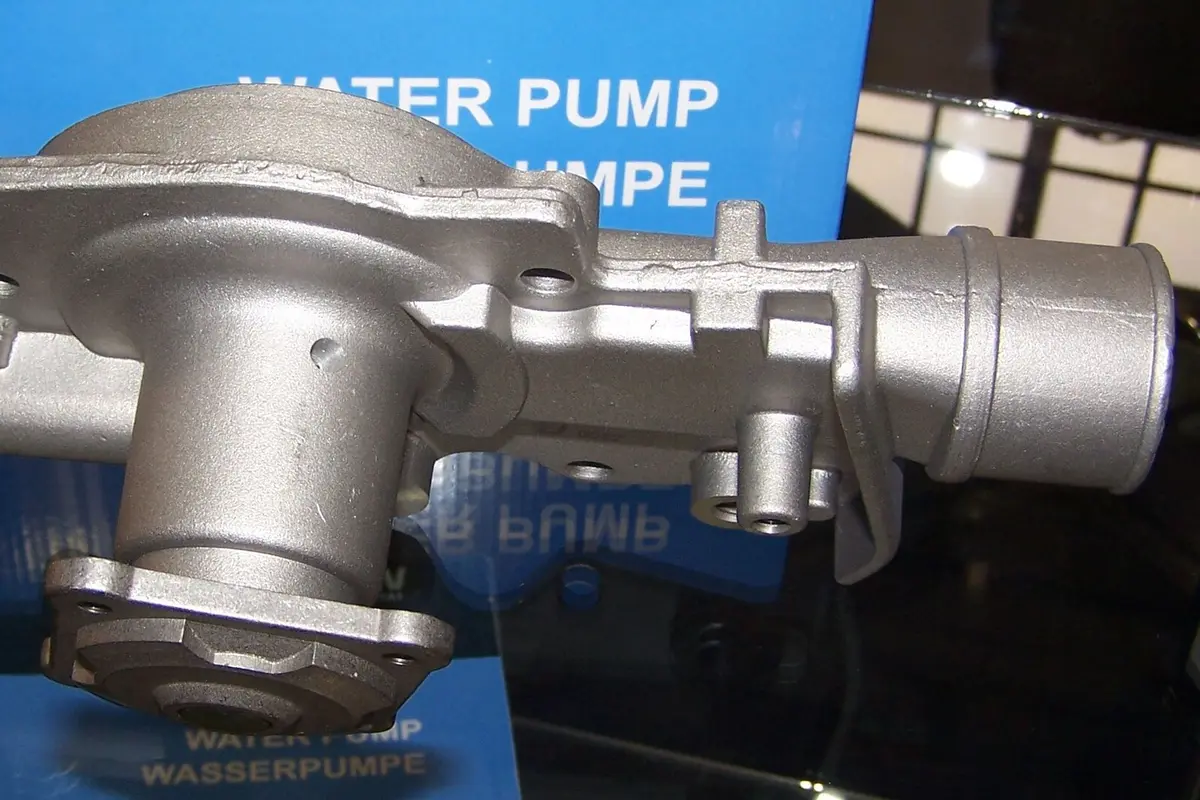
How to flush and refill properly
A drain-and-fill only removes part of the old coolant. For a proper service:
- Let the engine cool completely. Never open a hot cooling system.
- Drain the radiator at the drain cock and, where accessible, the engine block drains.
- Flush with distilled water until it runs clear. Avoid harsh chemical flushes unless the system is contaminated.
- Refill with a 50/50 mix of the correct Mopar-spec coolant and distilled water, or use premixed coolant.
- Bleed the air out. Many Mopar engines have a bleed screw near the thermostat housing. Some need the front of the vehicle raised, or a vacuum fill tool. Trapped air causes hot spots and erratic temperature readings.
- Run the engine to operating temperature with the heater on high, let it cool and top up the reservoir.
Supercharged cars have two cooling circuits
Hellcat-family engines have a separate low-temperature circuit cooling the charge-air coolers inside the supercharger. It has its own reservoir, pump and radiator, and it needs bleeding too. Don’t overlook it when servicing an SRT.
Inspect while you’re there
Coolant service is the right time to replace tired parts:
- Radiator hoses that feel soft, swollen or crunchy. See our radiator hose listings.
- Thermostat housings, especially plastic ones on the Pentastar V6.
- The radiator itself if you see crusty seams or damaged fins. Browse radiators.
Running hot? Work through our overheating diagnosis guide before you replace parts at random.