EVAP codes P0455, P0456 and P0457: gas caps, ESIM and leak checks
A check-engine light for an EVAP leak is rarely serious, but it won't fix itself. How Mopar EVAP systems work and how to find the leak.
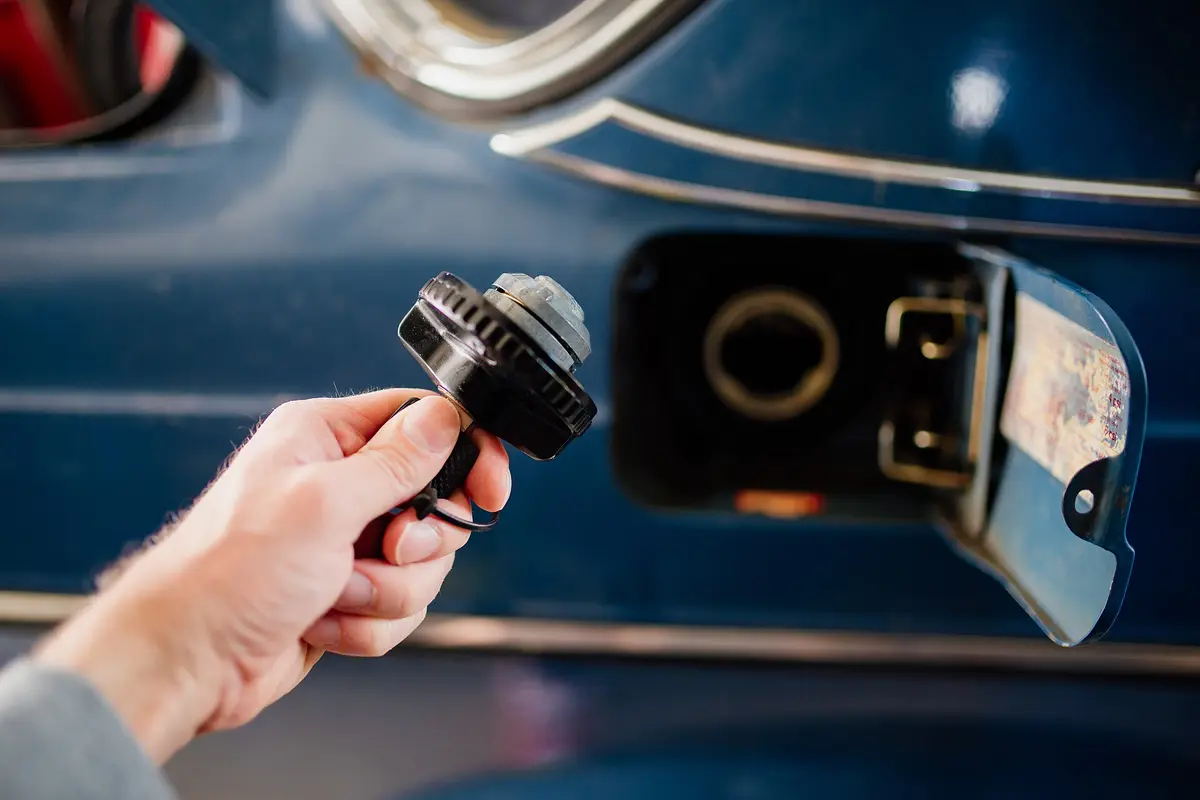
A check-engine light with an EVAP code is one of the most common reasons owners call us. The good news: an evaporative emissions leak doesn’t hurt the engine. The bad news: it will keep the light on, can fail an emissions inspection, and sometimes points to a part that needs replacing.
What the EVAP system does
Gasoline vapor from the fuel tank is captured in a charcoal canister instead of venting to the air. When the engine runs, a purge valve draws that vapor into the intake to be burned. The system is sealed, and the engine computer periodically tests it for leaks.
The common codes
| Code | Meaning | Typical cause |
|---|---|---|
| P0455 | Large leak detected | Missing or loose gas cap, disconnected hose, cracked filler neck |
| P0456 | Very small leak detected | Worn gas cap seal, small hose crack, leaking canister or valve seal |
| P0457 | Leak detected, fuel cap loose or off | Gas cap not tightened after fueling |
| P0441 / P0442 | Incorrect purge flow / small leak | Purge valve, hoses or the leak-detection device |
How Mopars test for leaks
Older Chrysler vehicles used a Leak Detection Pump (LDP) that pressurized the system. Many later vehicles use an ESIM (Evaporative System Integrity Module). It’s a small module near the canister or tank that uses natural pressure and vacuum changes as the fuel cools after you shut the engine off. A failed ESIM can itself set leak codes, and our catalog lists ESIM and vapor pressure sensors by exact part number.
Because the test runs after shutdown, under specific fuel-level and temperature conditions, an EVAP code may take several days of driving to reappear after a repair. That’s normal. (Compact cars use the same test strategy. See our Dodge Dart guide for other Dart-specific issues.)

Find the leak, step by step
- Start with the gas cap. Check the seal for cracks, make sure it clicks when tightened, and replace it if it’s old. A new gas cap is the cheapest fix and solves many P0455/P0457 codes. Capless fuel fillers can also stick open, usually from dirt in the flapper.
- Inspect the filler neck for rust, especially on trucks in salt states.
- Inspect hoses and connections from the tank to the canister and from the canister to the purge valve in the engine bay. Look for cracks, split ends and loose quick-connects.
- Check the purge valve. A purge valve stuck open can cause rough idle right after refueling and hard starts.
- Smoke test. If the leak isn’t visible, a shop can push harmless smoke through the system to find it. This is the most reliable way to find tiny P0456 leaks.
- Consider the ESIM or LDP if the system is sealed and codes persist.
Can I keep driving?
Yes. An EVAP leak won’t damage the engine. Fix it before your next emissions test, though, because a lit check-engine light can mask a new, more serious code. If the light is flashing, that’s a misfire, not EVAP. See our spark plug guide.
Need a part? Send us the code and your VIN, and we’ll identify the right cap, sensor or valve.