Fuel pump module failure: symptoms, testing and replacement
Long cranks, stalling under load or a no-start can point to the fuel pump. How to test it properly and what comes in a Mopar fuel pump module.
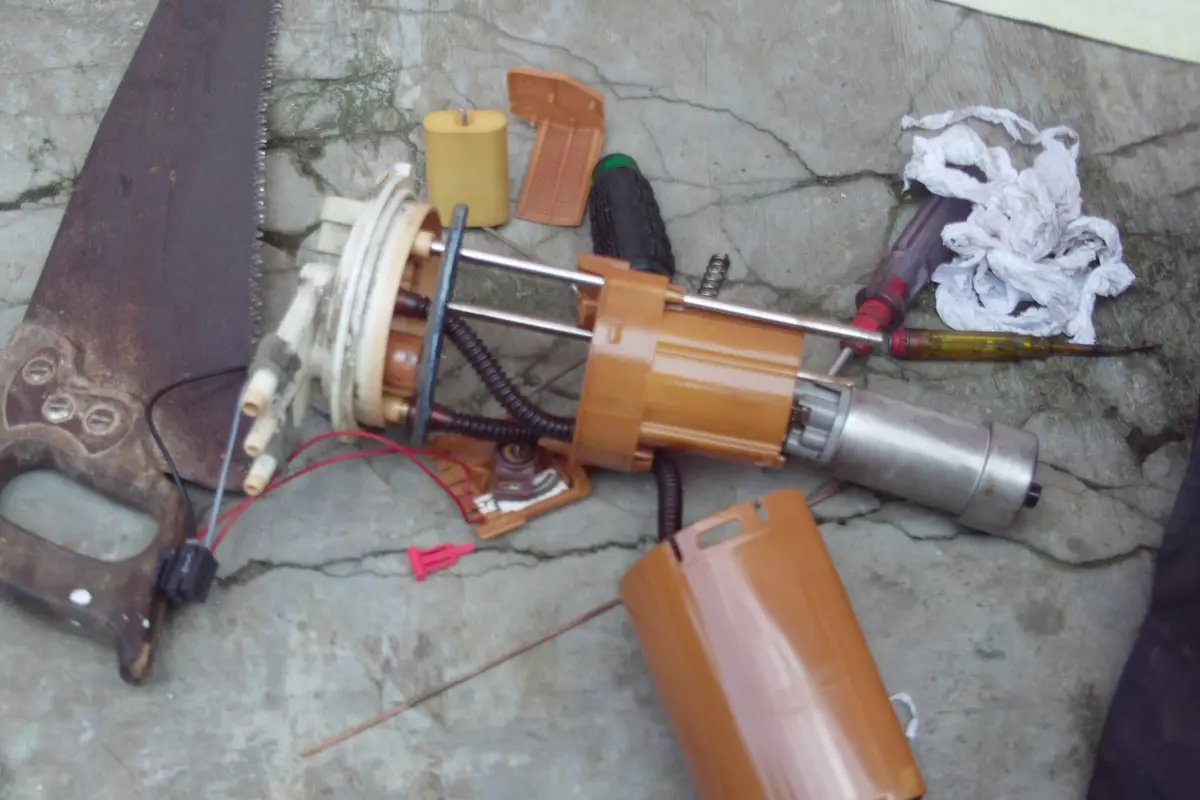
The electric fuel pump lives inside the fuel tank, out of sight, until it stops working. On most modern Dodge, Chrysler, Jeep and Ram vehicles it’s part of a fuel pump module: the pump, a strainer or filter sock, the fuel level sender and often a pressure regulator, all in one assembly.
Symptoms of a failing pump
- Long crank before starting, especially after the vehicle sits
- Stalling or hesitation under load, like climbing a hill or towing
- Loss of power at highway speed that comes and goes
- Whining or humming from the rear of the vehicle
- No start at all: the engine cranks but never fires
- Incorrect fuel gauge readings, which point to the level sender in the same module
Don’t skip the diagnosis
A no-start has many causes, and the fuel pump is expensive to reach. Test before you buy:
- Listen for the pump. Turn the key to Run (without cranking). On most vehicles, you’ll hear the pump prime for a second or two from the tank.
- Check power and ground at the pump connector. If there’s no power, the problem is upstream: a fuse, the relay or, on 2007–2012 vehicles, possibly the TIPM. See our TIPM guide.
- Measure fuel pressure with a gauge on the rail’s test port, if equipped, or with a scan tool on vehicles that report it. Compare with the specification.
- Scan for codes. Low-pressure codes (such as P0087 on some engines) or fuel-trim codes help confirm a weak pump.
- Check the filter. Many Mopar gas vehicles have a lifetime filter in the module, but older and diesel vehicles have serviceable fuel filters.
Replacing the module
On most cars and SUVs, the module is reached by lowering the fuel tank. On many pickups, technicians remove the bed instead, which can be faster. Some vehicles have an access panel under the rear seat. Key points:
- Work with a low fuel level and in a ventilated area, with no ignition sources nearby.
- Relieve fuel pressure and disconnect the battery first.
- Replace the lock ring seal and use the correct tool on the lock ring.
- Install the complete module, not just the bare pump, unless you’re experienced. The strainer, sender and wiring age together.
- Check the tank for rust or debris. Contaminated tanks kill new pumps.
Diesel trucks are different
On Cummins-powered Ram trucks, a low-pressure lift pump feeds the high-pressure injection pump. Lift-pump problems and clogged filters starve the injection pump, which is very expensive to replace. Keep the fuel filters changed on schedule. See the Cummins maintenance guide.
Ordering the right module
Fuel pump modules vary by tank size, engine, drive type (2WD/4x4/AWD) and model year. A Ram with a 26-gallon tank and one with a 32-gallon tank can need different modules. Browse fuel pumps and modules by part number, or send us your VIN and we’ll confirm it.