Owning a Dodge Viper: parts availability and care by generation
From the 1992 RT/10 to the final 2017 ACR: the five Viper generations, what makes each one unique, and practical advice on parts and upkeep.
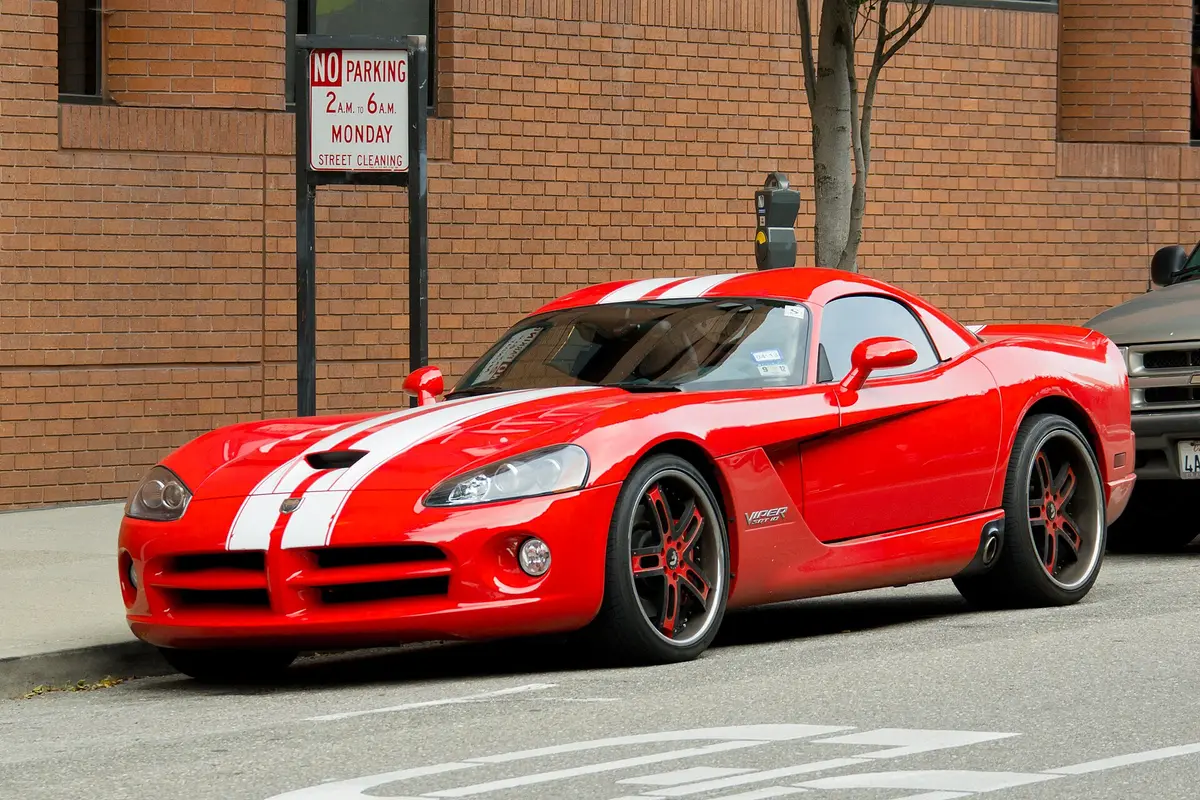
The Dodge Viper was never a parts-bin car. Over 25 years and five generations, it used its own V10 engine, its own chassis and very few parts shared with anything else in the Chrysler family. That makes Viper ownership rewarding and, at times, a parts-hunting exercise.
The five generations
| Generation | Years | Body styles | V10 |
|---|---|---|---|
| Gen I (SR I) | 1992–1995 | RT/10 roadster | 8.0 L, about 400 hp |
| Gen II (SR II) | 1996–2002 | RT/10, GTS coupe | 8.0 L, up to about 450 hp |
| Gen III (ZB I) | 2003–2006 | SRT-10 roadster and coupe | 8.3 L, 500 hp |
| Gen IV (ZB II) | 2008–2010 | SRT-10 roadster and coupe, ACR | 8.4 L, 600 hp |
| Gen V (VX) | 2013–2017 | SRT Viper/Viper coupe, GTS, ACR | 8.4 L, 640–645 hp |
What to know about each generation
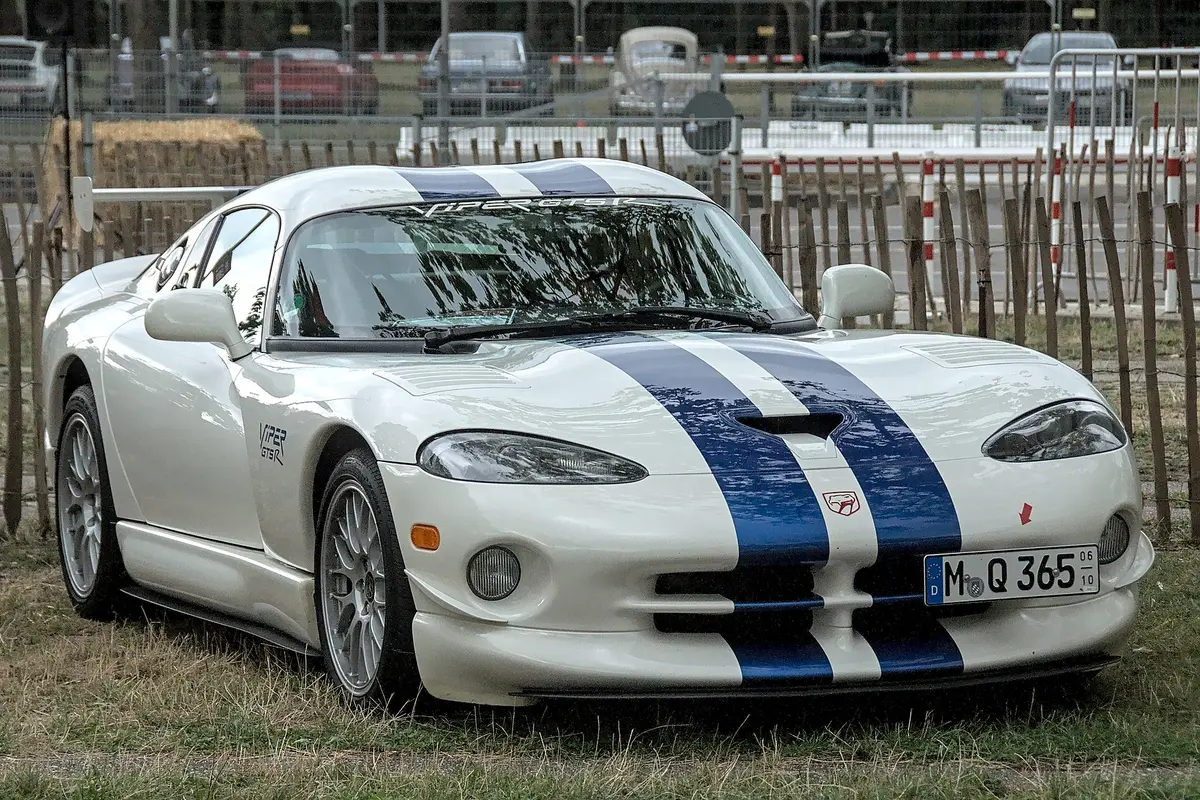
Gen I and II are raw, analog cars: no ABS on early cars, side exhausts that heat the sills, and minimal electronics. Mechanical parts are generally available, but trim, soft tops and some interior pieces are increasingly scarce. Original-condition cars are prized by collectors, so keep removed parts.
Gen III and IV brought the larger SRT-10 V10 and more modern electrics. The Gen IV’s 8.4-liter engine added variable cam timing and is the basis for the Gen V engine. Clutch and hydraulic components are common service items on hard-driven cars.
Gen V added stability control, a more modern cabin, and in the ACR, extreme aero and carbon-ceramic brakes. Body panels, aero parts and ceramic brake components are expensive, so protect them.
Care tips for any Viper
- Cooling: the V10 makes a lot of heat. Keep the cooling system fresh and bled, and check fans and radiator fins. Our coolant guide applies.
- Fluids on a schedule, not just mileage: many Vipers are driven little. Oil, brake fluid and coolant still age. Change them on time.
- Tires: old tires lose grip long before the tread wears out. Replace tires by age on a car with this much torque.
- Battery: low-mileage cars benefit from a battery maintainer.
- Storage: dry, ventilated storage, a breathable cover, and fuel stabilizer for long periods.
Finding parts
- Start with the part number. Many Viper parts carry unique Mopar numbers, and supersessions are common. Our guide to Mopar part numbers explains how numbers change.
- Ask before you assume. “Fits all Vipers” is rarely true. Gen IV and Gen V share some engine parts. Gen I–II share many chassis parts with each other but few with later cars.
- Interior upgrades: we offer custom carbon fiber steering wheels for the 1996–2010 and 2013–2017 Vipers, built to reuse the factory airbag. Read our installation guide first.
Looking for something specific for your Viper? Send us your VIN through the quote form, and we’ll source it or tell you honestly if it’s no longer available.